Organiser une inspection indépendante d’un campervan en Nouvelle-Zélande
Choisir une inspection préachat en NZ : définir les contrôles mécaniques et de l’aménagement, obtenir devis et rapport, puis évaluer les travaux avant l’achat.
Kiwi Van Market ·
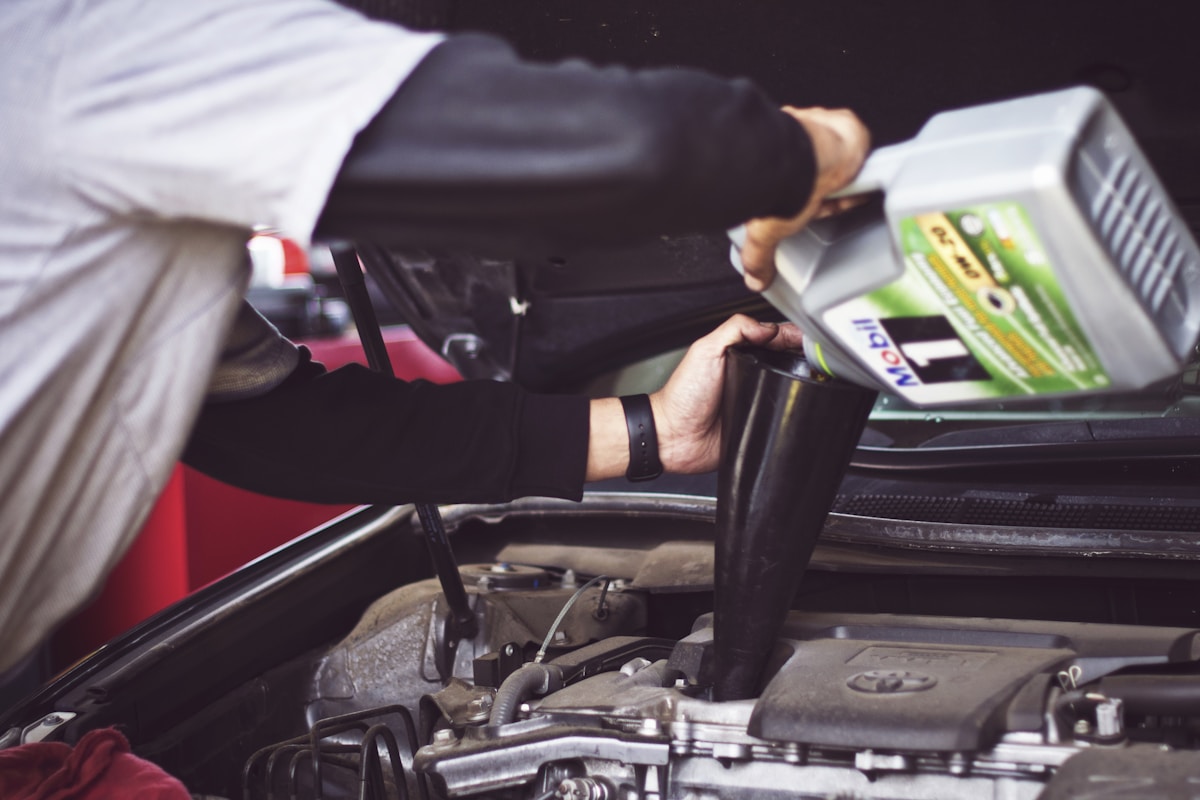
La visite permet de sélectionner un van à examiner davantage. L’inspection indépendante aide à évaluer son état avant paiement. Choisissez un prestataire séparément du vendeur et convenez à l’avance de ce qui pourra être établi sur le véhicule et son aménagement.
1. Choisir un prestataire et préciser sa mission
Transmettre les informations du véhicule
Donnez plaque, marque, modèle, année, moteur ou carburant, kilométrage et lieu. Mentionnez modifications, équipement et inquiétudes relevées à la visite. Demandez si cette version, ce gabarit et cet aménagement peuvent être contrôlés au lieu prévu.
Demander le contenu du devis
Obtenez prix, disponibilité, méthode et exclusions par écrit. Demandez si essai routier, accès au dessous, diagnostic électronique, fuites, corrosion, freins, pneus, transmission et factures sont inclus. Distinguez observations visuelles et mesures. Ne supposez pas que démontage, tests internes du moteur ou prévision de fiabilité font partie de toute inspection.
Organiser l’accès avec le vendeur
Confirmez rendez-vous, accord pour l’essai, documents et paiement. Demandez si possible un vrai démarrage à froid. Un ancien rapport du vendeur apporte du contexte ; discutez d’un examen commandé par vous plutôt que de présumer qu’il décrit l’état actuel.
2. Distinguer mécanique et équipement de vie
Questions à poser au prestataire
| Domaine | Points à confirmer |
|---|---|
| Véhicule de base | Quels contrôles de sécurité, mécanique et corrosion sont compris ? Le dessous peut-il être examiné sans risque ? |
| Entretien | Le rapport relève-t-il documents manquants et travaux à étudier ? |
| Équipement de vie | Eau, frigo, batteries, recharge et infiltrations sont-ils inclus ou faut-il un autre spécialiste ? |
| Gaz et électricité | Qui peut examiner installation et documents requis ? Quels points dépassent la compétence de l’inspecteur mécanique ? |
| Statut self-contained | Vérifiez warrant vert, certificat et registre SCV. Les modifications concernent-elles la certification ? |
Inspection mécanique, certification gaz et certification self-contained répondent à des questions différentes. Contactez le prestataire compétent pour chacune.
Ne pas tester un équipement suspect
Arrêtez en cas de fuite de gaz ou câblage dangereux présumé. WorkSafe interdit les réchauds, chauffages et lampes à gaz portables à l’intérieur du van et sous l’auvent. Faites examiner toute installation incertaine par un professionnel du gaz qualifié.
3. Lire le rapport et chiffrer les travaux
- Distinguer les urgences — Demandez de séparer sécurité immédiate, entretien à prévoir, défauts à diagnostiquer et points non examinés. Identifiez les limites dues à l’accès, à la météo ou à l’état du véhicule.
- Obtenir des devis avant de négocier — Faites estimer les travaux importants par un réparateur adapté. Un « prix de joint de culasse » ou « budget suspension » générique ne remplace pas diagnostic et devis pour le véhicule réel.
- Comparer budget et calendrier — Ajoutez inspection, travaux immédiats et réserve au prix d’achat. Les réparations peuvent-elles être terminées avant le voyage ? Vous pouvez négocier, demander d’autres contrôles ou renoncer ; le rapport ne vous oblige pas à acheter.
Conserver les documents
Gardez rapport, périmètre, déclarations et devis. Si la vente se fait, conservez le contrat et notifiez NZTA côté acheteur. Un WoF valide est un contrôle de sécurité, pas une garantie mécanique.
4. Préparer la visite
Utiliser la checklist visuelle détaillée avant l’inspection →